
Hey there! As a supplier of Airborne Dust Collectors, I often get asked about the dust - holding capacity of these nifty machines. So, let's dive right in and break it down.
First off, what exactly is the dust - holding capacity of an Airborne Dust Collector? Well, it's the amount of dust that a dust collector can hold before it needs to be emptied or cleaned. This capacity is super important because it determines how often you'll have to maintain the collector. If you've got a high - dust environment, a collector with a low dust - holding capacity will mean more frequent maintenance, which can be a real pain in the neck.
There are a few factors that affect the dust - holding capacity of an Airborne Dust Collector. One of the main ones is the size of the collector. Generally speaking, larger collectors have a higher dust - holding capacity. This is because they have more space inside to store the collected dust. For example, a big industrial - sized Airborne Dust Collector can hold a whole lot more dust than a small, portable one that you might use in a home workshop.
Another factor is the type of filtration system. Different filtration systems have different efficiencies when it comes to collecting dust. Some systems are better at capturing fine particles, while others are more effective with larger ones. The more efficient the filtration system, the more dust it can collect and hold. For instance, a HEPA (High - Efficiency Particulate Air) filter is known for its high efficiency in capturing small dust particles, which can contribute to a higher overall dust - holding capacity.
The nature of the dust itself also plays a role. If the dust is light and fluffy, it might take up more space inside the collector. On the other hand, if it's heavy and compact, the collector can hold more of it by weight. For example, sawdust from a woodworking shop is light and takes up a lot of volume, while metal shavings are heavier and more compact.


Now, let's talk about how to figure out the right dust - holding capacity for your needs. If you're running a small business, like a woodworking or metalworking shop, you'll need to consider how much dust is generated on a daily basis. If you're constantly working with materials that produce a lot of dust, you'll want a collector with a higher dust - holding capacity. You don't want to be emptying the collector every few hours!
On the other hand, if you're using the Airborne Dust Collector in a home environment, like for a small DIY project, a collector with a smaller dust - holding capacity might be just fine. You won't be generating as much dust, so you won't need to empty it as often.
As a supplier, I've seen all sorts of situations. Some customers come to me looking for a collector for a large factory with multiple machines generating tons of dust. In these cases, I usually recommend a high - capacity collector with a powerful filtration system. Other customers are just looking for something for their home garage, and a smaller, more affordable collector will do the trick.
It's also worth mentioning that some Airborne Dust Collectors come with features that can help manage the dust - holding capacity. For example, some collectors have a self - cleaning mechanism. This means that the collector can clean itself while it's running, which can extend the time between emptying. It's a really handy feature, especially in high - dust environments.
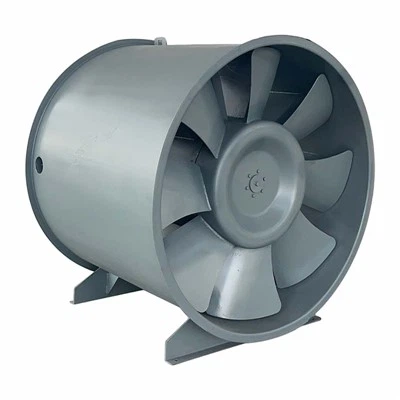
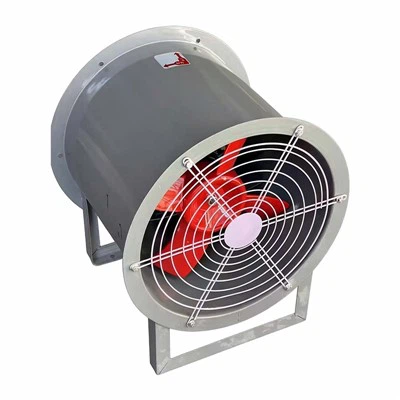
Now, let's talk about some related products that can work in tandem with an Airborne Dust Collector. One of these is the Axial Flow Extractor Fan. These fans are great for moving air and can help in the dust collection process. They can be used to draw dust - laden air into the dust collector, making the whole system more efficient.
Another useful product is the Jet Fans for Tunnel Ventilation. While they might seem more suited for tunnel applications, they can also be used in industrial settings to improve air circulation and assist in dust collection. They can push air around, helping to move dust towards the collector.
The in Axial Flow Fans are also important. These fans can be used to create a steady flow of air within the dust collection system, ensuring that the dust is effectively captured and held.
If you're in the market for an Airborne Dust Collector, it's important to do your research. Look at the different models available, consider your specific needs, and don't be afraid to ask questions. As a supplier, I'm always happy to help customers find the right product for their situation. Whether you need a high - capacity collector for a large industrial facility or a small one for your home, I can guide you through the process.
In conclusion, the dust - holding capacity of an Airborne Dust Collector is a crucial factor to consider when choosing the right product. By understanding the factors that affect it, you can make an informed decision. And if you have any questions or are interested in purchasing an Airborne Dust Collector, don't hesitate to reach out. I'm here to help you find the perfect solution for your dust collection needs.
References
- Industrial Ventilation Handbook
- Dust Collection Systems: Principles and Practices