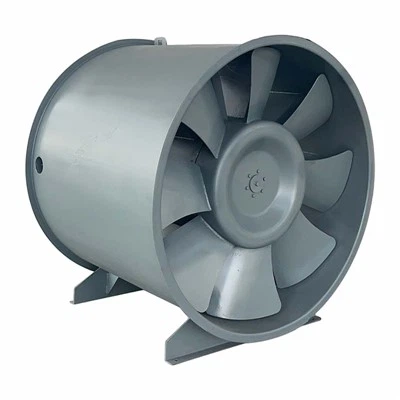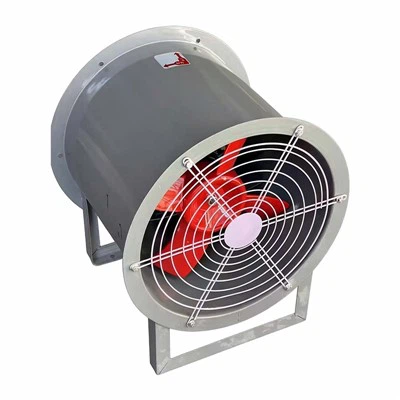

How does the number of bends in a duct affect the performance of a centrifugal duct booster fan?
As a supplier of centrifugal duct booster fans, I've witnessed firsthand the critical role that the duct system plays in the overall performance of these fans. One of the most significant factors that can influence a fan's efficiency and effectiveness is the number of bends in the duct. In this blog post, I'll delve into how the number of bends impacts the performance of a centrifugal duct booster fan and what you need to know to optimize your system.
Understanding Centrifugal Duct Booster Fans
Before we explore the impact of duct bends, let's briefly review how centrifugal duct booster fans work. These fans are designed to increase the pressure and airflow in a duct system, helping to move air more efficiently from one point to another. They operate by using a rotating impeller to draw air into the fan and then expel it at a higher pressure. Centrifugal fans are commonly used in a variety of applications, including ventilation systems, HVAC systems, and industrial processes.
The Impact of Duct Bends on Fan Performance
The number of bends in a duct can have a significant impact on the performance of a centrifugal duct booster fan. Each bend in the duct creates resistance to airflow, which can reduce the fan's efficiency and increase energy consumption. When air encounters a bend in the duct, it must change direction, which causes turbulence and friction. This turbulence and friction result in a pressure drop, which means that the fan has to work harder to maintain the desired airflow.
As the number of bends in the duct increases, the pressure drop also increases. This can lead to a decrease in the fan's airflow and static pressure, which can affect the overall performance of the system. In some cases, the pressure drop can be so significant that the fan may not be able to provide the required airflow, leading to poor ventilation and potential health hazards.
Factors Affecting the Impact of Duct Bends
The impact of duct bends on fan performance can vary depending on several factors, including the angle of the bend, the radius of the bend, and the type of duct material.
- Angle of the Bend: The angle of the bend is one of the most important factors that can affect the pressure drop in a duct. A sharp bend, such as a 90-degree bend, creates more turbulence and friction than a gradual bend. As a result, a sharp bend will cause a greater pressure drop than a gradual bend.
- Radius of the Bend: The radius of the bend also plays a role in the pressure drop. A larger radius bend will create less turbulence and friction than a smaller radius bend. Therefore, a larger radius bend will cause a smaller pressure drop than a smaller radius bend.
- Type of Duct Material: The type of duct material can also affect the pressure drop in a duct. Smooth duct materials, such as metal or plastic, create less friction than rough duct materials, such as fiberglass or fabric. Therefore, smooth duct materials will cause a smaller pressure drop than rough duct materials.
Minimizing the Impact of Duct Bends
To minimize the impact of duct bends on the performance of a centrifugal duct booster fan, it's important to design the duct system carefully. Here are some tips to help you optimize your duct system:
- Reduce the Number of Bends: The fewer bends in the duct, the less resistance to airflow there will be. Therefore, try to design the duct system with as few bends as possible.
- Use Gradual Bends: Instead of using sharp bends, use gradual bends with a larger radius. This will reduce the turbulence and friction in the duct, which will help to minimize the pressure drop.
- Choose the Right Duct Material: Select a smooth duct material, such as metal or plastic, to reduce the friction in the duct. This will help to minimize the pressure drop and improve the fan's efficiency.
- Size the Duct Correctly: Make sure the duct is sized correctly for the fan. A duct that is too small will create more resistance to airflow, which will increase the pressure drop and reduce the fan's efficiency.
Other Considerations
In addition to the number of bends in the duct, there are other factors that can affect the performance of a centrifugal duct booster fan. These include:
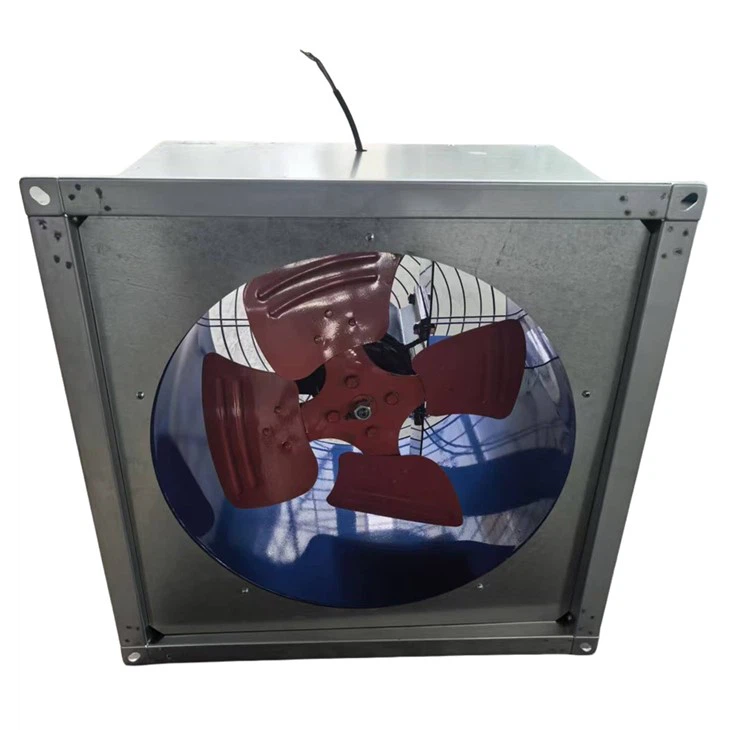
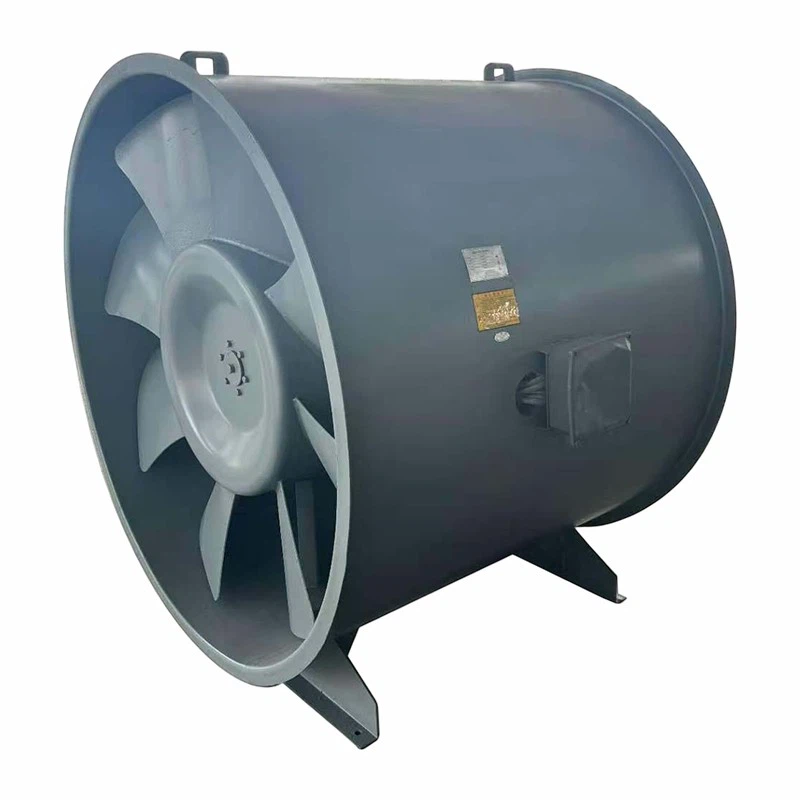
- Fan Selection: Choosing the right fan for your application is crucial. Make sure the fan has the appropriate airflow and static pressure ratings for your duct system.
- Duct Leakage: Leaks in the duct can reduce the fan's efficiency and increase energy consumption. Make sure the duct is properly sealed to prevent leaks.
- Maintenance: Regular maintenance of the fan and duct system is essential to ensure optimal performance. This includes cleaning the fan, checking the duct for leaks, and replacing any worn or damaged components.
Conclusion
The number of bends in a duct can have a significant impact on the performance of a centrifugal duct booster fan. By understanding how duct bends affect fan performance and taking steps to minimize their impact, you can optimize your duct system and improve the efficiency and effectiveness of your fan.
If you're in the market for a centrifugal duct booster fan or need help designing a duct system, contact us today. Our team of experts can help you select the right fan for your application and provide you with the support and guidance you need to ensure optimal performance.
In addition to centrifugal duct booster fans, we also offer a wide range of other fans, including Explosion Proof Axial Flow Fan, Sidewall Exhaust, and Axial Flow Extractor Fan. Visit our website to learn more about our products and services.
References
- ASHRAE Handbook - Fundamentals. American Society of Heating, Refrigerating and Air-Conditioning Engineers, Inc.
- Fan Engineering, 9th Edition. Buffalo Forge Company.
- Duct Design Manual. Sheet Metal and Air Conditioning Contractors' National Association (SMACNA).