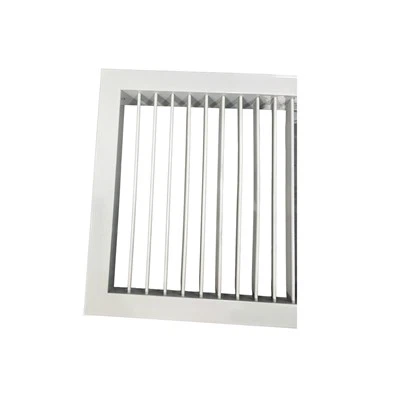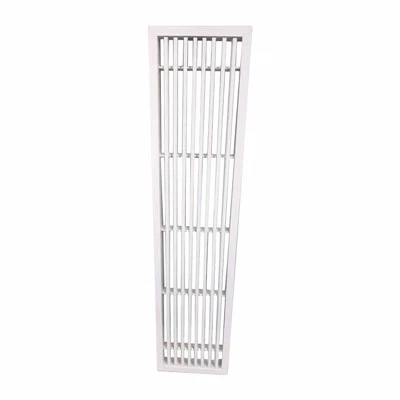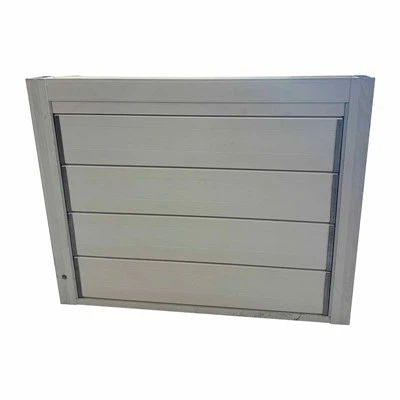

As a supplier of noise reducing shades, I often get asked whether these shades need to be replaced often. This is a crucial question for both homeowners and business owners who rely on these products to create a quiet and comfortable environment. In this blog, I'll delve into the factors that determine the lifespan of noise reducing shades and whether frequent replacement is necessary.
Understanding Noise Reducing Shades
Noise reducing shades are designed to block out external noise, providing a more peaceful and quiet space. They work by using materials that absorb or reflect sound waves, effectively reducing the amount of noise that enters a room. These shades can be made from a variety of materials, including heavy fabrics, foam, and special soundproofing membranes.
Factors Affecting the Lifespan of Noise Reducing Shades
1. Quality of Materials
The quality of the materials used in noise reducing shades plays a significant role in their lifespan. High - quality materials are more durable and can withstand wear and tear over time. For example, shades made from thick, dense fabrics or high - grade soundproofing membranes are likely to last longer than those made from cheaper, thinner materials. When choosing noise reducing shades, it's important to consider the quality of the materials to ensure a longer lifespan.
2. Frequency of Use
The more often the shades are used, the more quickly they may wear out. If the shades are opened and closed multiple times a day, the mechanisms and fabrics can experience more stress. In a commercial setting, where the shades are used frequently, they may need to be replaced more often compared to a residential setting where they are used less frequently.
3. Environmental Conditions
The environment in which the shades are installed can also affect their lifespan. Exposure to sunlight, moisture, and extreme temperatures can cause the materials to deteriorate over time. For instance, if the shades are installed in a room with direct sunlight, the UV rays can fade the fabric and weaken its sound - blocking properties. Similarly, high humidity levels can lead to mold growth on the shades, reducing their effectiveness and lifespan.
4. Installation Quality
Proper installation is crucial for the longevity of noise reducing shades. If the shades are not installed correctly, they may not function properly, and the mechanisms may wear out more quickly. A professional installation ensures that the shades are securely attached and that the sound - blocking features are optimized.
Do Noise Reducing Shades Need to be Replaced Often?
In general, noise reducing shades do not need to be replaced often if they are made from high - quality materials, installed correctly, and used in a suitable environment. A well - made set of noise reducing shades can last anywhere from 5 to 10 years or even longer.
However, there are some situations where replacement may be necessary sooner. If the shades have been damaged, such as a tear in the fabric or a malfunction in the operating mechanism, they will need to be replaced. Additionally, if the shades are no longer providing the desired level of noise reduction, it may be time to consider a replacement.
Maintenance Tips to Extend the Lifespan of Noise Reducing Shades
1. Regular Cleaning
Regular cleaning can help maintain the performance and appearance of the shades. Dust and dirt can accumulate on the surface of the shades, which can reduce their sound - blocking ability. Use a soft brush or a vacuum cleaner with a soft brush attachment to gently clean the shades. For fabric shades, follow the manufacturer's instructions for cleaning.

2. Avoid Over - stretching
When opening and closing the shades, be careful not to over - stretch them. This can damage the fabric and the operating mechanism. Always use the proper method of opening and closing the shades as recommended by the manufacturer.
3. Protect from Sunlight
If possible, use curtains or blinds in addition to the noise reducing shades to protect them from direct sunlight. This can help prevent fading and deterioration of the materials.
Complementary Soundproofing Solutions
In addition to noise reducing shades, there are other soundproofing solutions that can be used to enhance the acoustic environment. For example, Plate Silencer is a great option for reducing noise in ventilation systems. It works by absorbing and dissipating sound energy, effectively reducing the noise level.
Another option is the Micro - perforated Plate Silencer. This type of silencer uses micro - perforated plates to absorb sound waves, providing a high level of noise reduction.
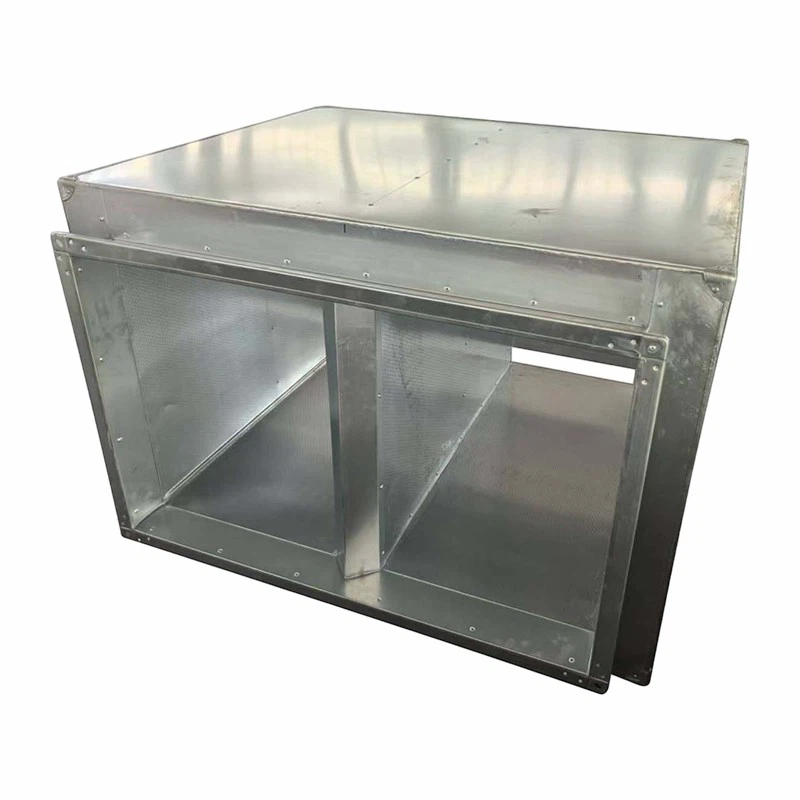
A Static Pressure Box can also be used to reduce noise in HVAC systems. It helps to equalize the pressure and reduce the noise generated by the air flow.
Contact for Purchase and Consultation
If you are interested in purchasing noise reducing shades or need more information about our products, we are here to help. Our team of experts can provide you with detailed information about the different types of noise reducing shades available, their features, and how they can be customized to meet your specific needs. We also offer professional installation services to ensure that your shades are installed correctly and function optimally.
Whether you are looking to create a quiet home office, a peaceful bedroom, or a noise - free commercial space, our noise reducing shades can make a significant difference. Contact us today to start the conversation and find the perfect solution for your noise reduction needs.
References
- "Soundproofing Handbook" by David B. Worth
- "Acoustics: An Introduction" by Malcolm J. Crocker