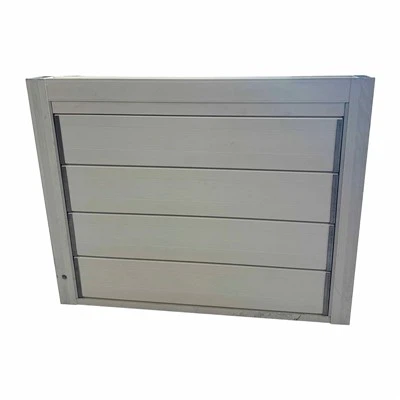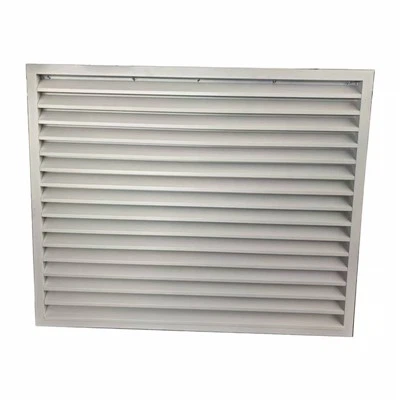

Hey there! As a supplier of axial flow roof fans, I often get asked about the materials used in these nifty devices. So, let's dive right in and explore what goes into making an axial flow roof fan.
1. Housing Materials
The housing of an axial flow roof fan is like its protective shell. It needs to be durable and able to withstand various environmental conditions.

Galvanized Steel
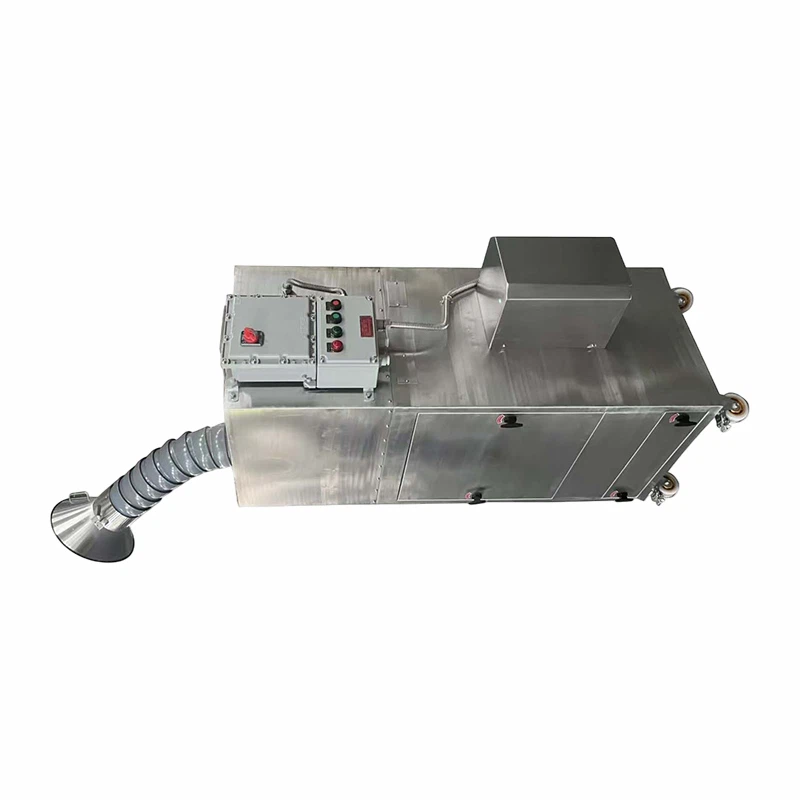
Galvanized steel is a popular choice for fan housings. It's coated with a layer of zinc, which provides excellent corrosion resistance. This means the fan can be installed in outdoor environments, including areas with high humidity or near the coast, without rusting easily. Galvanized steel is also relatively strong, which helps protect the internal components of the fan from physical damage. For example, if there are strong winds or debris flying around, the galvanized steel housing can keep the fan's motor and blades safe. You can learn more about related products like Airborne Dust Collector, which also often use durable materials in their construction.
Aluminum
Aluminum is another great option for fan housings. It's lightweight, which makes the fan easier to install and handle. Despite its lightness, aluminum is still quite strong and has good corrosion resistance. It's also a good conductor of heat, which can help dissipate any heat generated by the motor more efficiently. This is especially important for fans that run continuously or in high - temperature environments. If you're looking for other ventilation solutions, check out Sidewall Exhaust, which might use similar lightweight materials for easy installation.
2. Blade Materials
The blades are the heart of the axial flow roof fan, as they are responsible for moving the air.
Plastic
Plastic blades are commonly used in many axial flow roof fans. They are lightweight, which reduces the load on the motor and can lead to energy savings. Plastic is also relatively inexpensive to produce, making the fans more affordable. Additionally, plastic blades can be molded into various shapes and designs to optimize air movement. However, they may not be as durable as some other materials and can be damaged by UV radiation over time if not properly protected.
Fiberglass - Reinforced Plastic (FRP)
FRP blades combine the benefits of plastic with the added strength of fiberglass. The fiberglass reinforcement makes the blades more rigid and durable, allowing them to withstand higher speeds and more demanding operating conditions. FRP blades are also resistant to corrosion, making them suitable for use in harsh environments. They are often used in industrial applications where the fan needs to operate continuously and reliably.
Metal
Metal blades, such as aluminum or steel, are known for their strength and durability. Aluminum blades are lightweight and have good corrosion resistance, similar to aluminum housings. Steel blades, on the other hand, are extremely strong and can handle high - pressure applications. However, metal blades can be more expensive than plastic or FRP blades, and they may require more maintenance to prevent rusting. If you're dealing with high - temperature environments, you might also be interested in High Temp Duct Fan, which may use specialized blade materials to withstand the heat.
3. Motor Materials
The motor is what powers the axial flow roof fan, and its materials play a crucial role in its performance and reliability.
Copper Windings
Most high - quality motors use copper windings. Copper is an excellent conductor of electricity, which means it can efficiently convert electrical energy into mechanical energy. This results in a more efficient motor that consumes less power and generates less heat. Copper windings also have good durability, which helps extend the lifespan of the motor.
Steel Stator and Rotor
The stator and rotor are key components of the motor. They are typically made of steel, which provides the necessary magnetic properties for the motor to function. Steel is strong and can withstand the mechanical stresses generated during operation. The design and quality of the steel used can affect the motor's efficiency and performance.
4. Bearings
Bearings are essential for the smooth operation of the fan. They reduce friction between moving parts and help the fan run quietly and efficiently.
Ball Bearings
Ball bearings are commonly used in axial flow roof fans. They consist of small metal balls that roll between two rings. Ball bearings are known for their low friction and high - speed capabilities. They can handle both radial and axial loads, which makes them suitable for the rotating motion of the fan blades.
Sleeve Bearings
Sleeve bearings are another option. They are made of a sleeve - shaped material that provides a smooth surface for the shaft to rotate on. Sleeve bearings are generally quieter than ball bearings and can be more cost - effective. However, they may not be as durable as ball bearings, especially in high - speed applications.
5. Seals and Gaskets
Seals and gaskets are used to prevent air leakage and protect the internal components of the fan from dust, moisture, and other contaminants.
Rubber Seals
Rubber seals are commonly used around the edges of the fan housing and between different components. They are flexible and can create a tight seal, preventing air from escaping and keeping out unwanted particles. Rubber seals are also resistant to many chemicals and can withstand a wide range of temperatures.
Silicone Gaskets
Silicone gaskets are another popular choice. They have excellent heat resistance and can maintain their flexibility over a wide temperature range. Silicone gaskets are also resistant to UV radiation and ozone, which makes them suitable for outdoor applications.
Why It Matters
Understanding the materials used in an axial flow roof fan is important for several reasons. First, it helps you choose the right fan for your specific needs. For example, if you're installing the fan in a coastal area, you'll want a fan with a galvanized steel housing and corrosion - resistant blades. Second, it gives you an idea of the fan's durability and maintenance requirements. A fan made with high - quality materials is likely to last longer and require less maintenance.
If you're in the market for an axial flow roof fan, or if you have any questions about the materials and their suitability for your application, don't hesitate to reach out. We're here to help you find the perfect fan for your ventilation needs. Whether you need a fan for a small residential building or a large industrial facility, we've got you covered. Let's have a chat and discuss your requirements.
References
- Various industry standards and guidelines on fan manufacturing
- Technical specifications from fan component suppliers