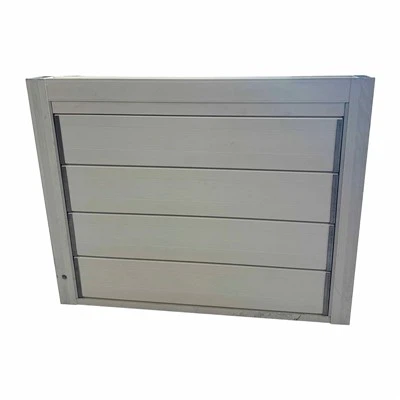

Installing a silencer elbow in a complex duct network is a task that requires careful planning, technical knowledge, and attention to detail. As a supplier of high - quality silencer elbows, I've witnessed firsthand the importance of a proper installation to achieve optimal noise reduction and system performance. In this blog, I'll guide you through the process of installing a silencer elbow in a complex duct network.
Understanding the Basics of Silencer Elbows
Before we dive into the installation process, it's essential to understand what a silencer elbow is and how it works. A Silencer Elbow is a specialized component designed to reduce noise in duct systems. It combines the function of an elbow, which changes the direction of airflow, with a silencer, which absorbs and dissipates sound energy.
There are different types of silencer elbows available, such as Plate Silencer and Micro - perforated Plate Silencer. Plate silencers use flat plates to absorb sound, while micro - perforated plate silencers have tiny holes in the plates that enhance sound absorption.
Pre - installation Preparation
Site Assessment
The first step in installing a silencer elbow in a complex duct network is to conduct a thorough site assessment. This involves measuring the existing ductwork, identifying the location where the silencer elbow will be installed, and assessing the overall layout of the duct system. Look for any potential obstacles, such as other equipment, structural elements, or tight spaces that may affect the installation process.
Selecting the Right Silencer Elbow
Based on the site assessment, select the appropriate silencer elbow for your duct network. Consider factors such as the size of the duct, the airflow rate, the noise level you want to reduce, and the type of noise (e.g., broadband, tonal). Our company offers a wide range of silencer elbows to meet different requirements, and our technical team can help you choose the best one for your specific application.
Gathering Tools and Materials
Once you've selected the silencer elbow, gather all the necessary tools and materials for the installation. This may include wrenches, screwdrivers, sealants, gaskets, and safety equipment such as gloves and goggles. Make sure you have everything you need before you start the installation to avoid delays.
Installation Process
Cutting and Preparing the Duct
Before installing the silencer elbow, you may need to cut the existing ductwork to fit the silencer. Use a sharp cutting tool to make clean, straight cuts. Be careful not to damage the duct or create rough edges that could affect the airflow or the seal of the silencer elbow.
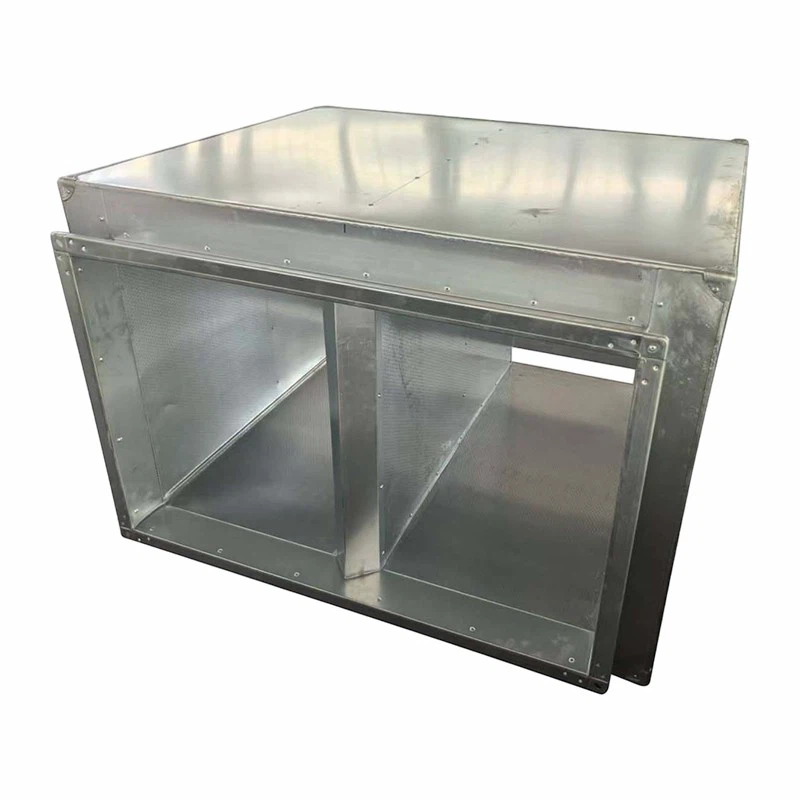

After cutting the duct, clean the edges to remove any debris or burrs. This will ensure a proper fit and a tight seal when the silencer elbow is installed.
Installing the Silencer Elbow
Position the silencer elbow in the desired location in the duct network. Align the flanges of the silencer elbow with the flanges of the ductwork. Make sure the alignment is accurate to ensure proper airflow and sound reduction.
Use bolts or screws to secure the silencer elbow to the ductwork. Tighten the fasteners evenly to prevent leaks. Apply a sealant or gasket between the flanges to create a airtight seal. This will prevent air leakage and improve the performance of the silencer elbow.
Connecting the Ductwork
Once the silencer elbow is installed, connect the remaining ductwork to complete the system. Make sure all connections are secure and airtight. Check for any gaps or leaks and use additional sealant if necessary.
Testing the System
After the installation is complete, test the duct system to ensure that the silencer elbow is working properly. Start the system and check for any unusual noises or vibrations. Measure the noise level at different points in the duct network to verify that the silencer elbow is reducing the noise as expected.
Troubleshooting and Maintenance
Common Installation Issues
During the installation process, you may encounter some common issues, such as misalignment of the silencer elbow, air leakage, or improper sealing. If you notice any of these issues, stop the installation and address them immediately. Check the alignment of the flanges, tighten the fasteners, and apply additional sealant if necessary.
Maintenance Tips
To ensure the long - term performance of the silencer elbow, regular maintenance is required. Inspect the silencer elbow periodically for any signs of damage or wear. Clean the silencer elbow to remove any dust or debris that may accumulate over time. Replace any damaged components, such as gaskets or seals, as needed.
Why Choose Our Silencer Elbows
As a leading supplier of silencer elbows, we offer several advantages. Our silencer elbows are made from high - quality materials that ensure durability and long - term performance. We have a team of experienced engineers and technicians who can provide technical support and guidance throughout the installation process.
Our products are designed to meet the highest industry standards and are rigorously tested to ensure optimal noise reduction. We also offer a wide range of customization options to meet the specific needs of our customers.
Contact Us for Purchase and Consultation
If you're interested in purchasing a silencer elbow for your complex duct network, or if you have any questions about the installation process, we'd love to hear from you. Our sales team is ready to assist you with your purchase and provide you with all the information you need. Whether you're a small business or a large industrial facility, we can help you find the right silencer elbow for your application.
References
- ASHRAE Handbook of HVAC Systems and Equipment.
- Duct Silencer Design and Application Guide.