
Humidity is a crucial environmental factor that can significantly influence the performance of axial flow fans. As a trusted supplier of axial flow fans, we have witnessed firsthand how varying humidity levels can impact the functionality and efficiency of these fans. In this blog, we will delve into the science behind the relationship between humidity and axial flow fan performance, exploring the mechanisms at play and the practical implications for users.
How Humidity Affects Air Density
One of the primary ways humidity affects axial flow fans is through its impact on air density. Air density is a measure of the mass of air per unit volume, and it plays a crucial role in determining the performance of fans. When humidity increases, the amount of water vapor in the air also increases. Water vapor is less dense than dry air, so as the humidity rises, the overall density of the air decreases.
This decrease in air density has several consequences for axial flow fans. First, it reduces the mass of air that the fan can move per unit time. Since the fan's performance is directly related to the mass of air it can handle, a decrease in air density means that the fan will deliver less air volume. This can lead to a reduction in the effectiveness of the ventilation system, as less air is being circulated through the space.
Second, the decrease in air density can also affect the fan's power consumption. Axial flow fans are designed to operate at a specific air density, and when the density changes, the fan may need to work harder to maintain the same airflow. This can result in increased power consumption and higher energy costs.
Impact on Fan Efficiency
In addition to affecting air density, humidity can also impact the efficiency of axial flow fans. Fan efficiency is a measure of how effectively the fan converts electrical energy into mechanical energy to move air. When humidity levels are high, the presence of water vapor can cause the air to become more viscous, which means that it offers more resistance to the movement of the fan blades.
This increased resistance can lead to a decrease in fan efficiency, as the fan has to work harder to overcome the resistance and move the air. As a result, the fan may consume more energy to achieve the same airflow, reducing its overall efficiency. In some cases, high humidity levels can also cause the fan blades to become wet, which can further reduce their efficiency and increase the risk of corrosion.
Condensation and Corrosion
Another significant concern when it comes to humidity and axial flow fans is the potential for condensation and corrosion. When warm, humid air comes into contact with a cold surface, such as the fan blades or the housing, the water vapor in the air can condense into liquid water. This condensation can accumulate on the fan components, leading to corrosion and damage over time.
Corrosion can weaken the fan blades and other components, reducing their structural integrity and potentially causing them to fail. In addition, the presence of water can also create a breeding ground for mold and bacteria, which can pose health risks to occupants of the space. To prevent condensation and corrosion, it is important to ensure that the fan is installed in a well-ventilated area and that the humidity levels are kept within an acceptable range.
Practical Implications for Users
Understanding the impact of humidity on axial flow fan performance is essential for users who rely on these fans for ventilation and air circulation. Here are some practical tips to help users optimize the performance of their axial flow fans in humid environments:
- Choose the Right Fan: When selecting an axial flow fan for a humid environment, it is important to choose a fan that is designed to handle high humidity levels. Look for fans that are made from corrosion-resistant materials, such as stainless steel or aluminum, and that have a protective coating to prevent moisture from causing damage.
- Maintain Proper Ventilation: Proper ventilation is crucial for reducing humidity levels and preventing condensation. Make sure that the space where the fan is installed is well-ventilated, and consider using additional ventilation devices, such as exhaust fans or dehumidifiers, to help control the humidity.
- Regular Maintenance: Regular maintenance is essential for ensuring the long-term performance of axial flow fans. This includes cleaning the fan blades and housing to remove any dirt, dust, or moisture that may have accumulated, as well as checking the fan's motor and electrical components for any signs of damage or wear.
- Monitor Humidity Levels: It is important to monitor the humidity levels in the space where the fan is installed to ensure that they are within an acceptable range. You can use a hygrometer to measure the humidity levels and adjust the ventilation system as needed to maintain the desired humidity.
Our Axial Flow Fans and Solutions
As a leading supplier of axial flow fans, we offer a wide range of high-quality fans that are designed to perform in a variety of environments, including humid conditions. Our fans are made from durable materials and are engineered to provide reliable and efficient performance, even in challenging conditions.
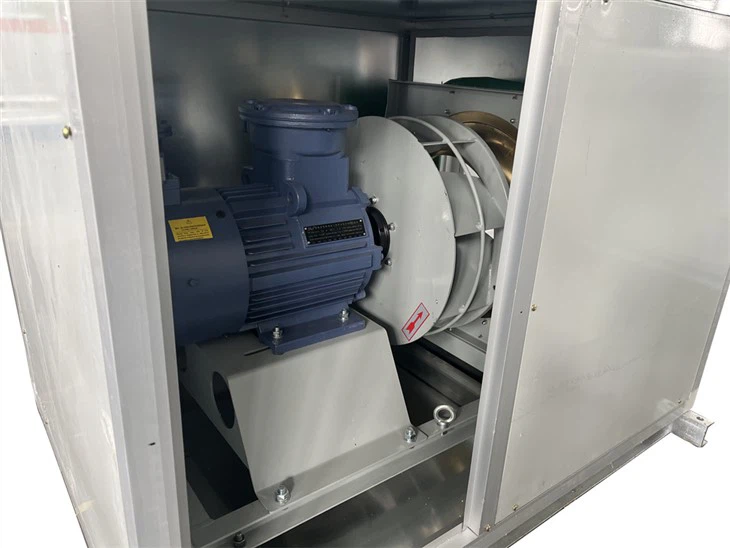
In addition to our standard axial flow fans, we also offer a range of specialized fans, such as Centrifugal Duct Booster Fan and Explosion-proof Centrifugal Fan, which are designed to meet the specific needs of different applications. We also offer Axial Flow Roof Fan that are ideal for providing ventilation in industrial and commercial buildings.
If you are looking for a reliable and efficient axial flow fan for your ventilation needs, we encourage you to contact us to discuss your requirements. Our team of experts can help you select the right fan for your application and provide you with the support and guidance you need to ensure its proper installation and operation.
Conclusion
Humidity can have a significant impact on the performance of axial flow fans, affecting air density, fan efficiency, and the risk of condensation and corrosion. By understanding the science behind the relationship between humidity and fan performance, users can take steps to optimize the performance of their fans and ensure their long-term reliability.
As a trusted supplier of axial flow fans, we are committed to providing our customers with high-quality products and solutions that meet their specific needs. If you have any questions or would like to learn more about our axial flow fans, please do not hesitate to contact us. We look forward to working with you to meet your ventilation needs.
References
- Cengel, Y. A., & Cimbala, J. M. (2014). Fluid Mechanics: Fundamentals and Applications. McGraw-Hill Education.
- Incropera, F. P., DeWitt, D. P., Bergman, T. L., & Lavine, A. S. (2017). Fundamentals of Heat and Mass Transfer. Wiley.
- ASHRAE Handbook: Fundamentals. (2017). American Society of Heating, Refrigerating and Air-Conditioning Engineers.