
How It Changes the Air
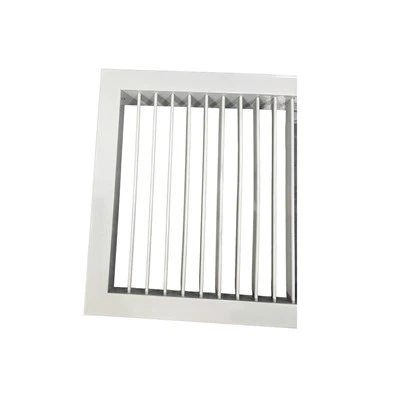
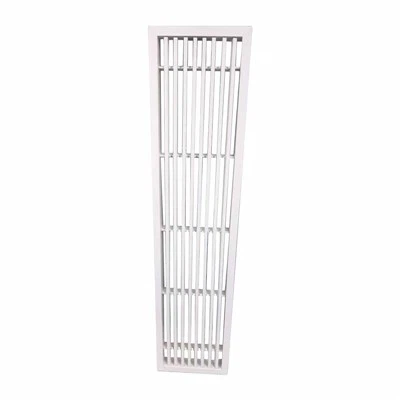
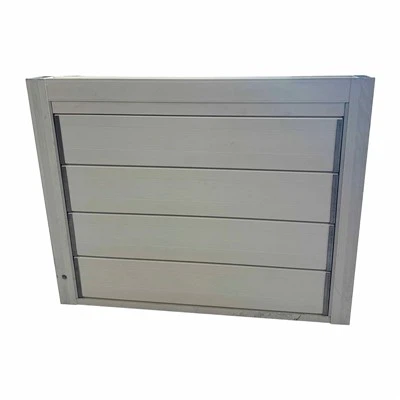
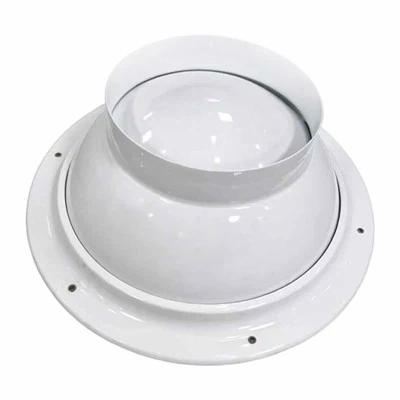
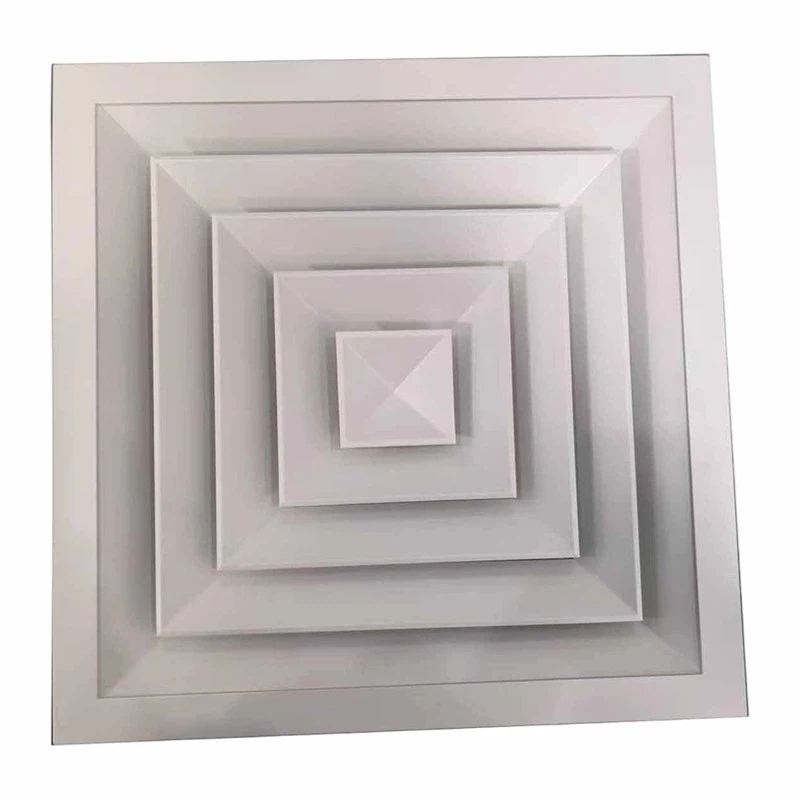
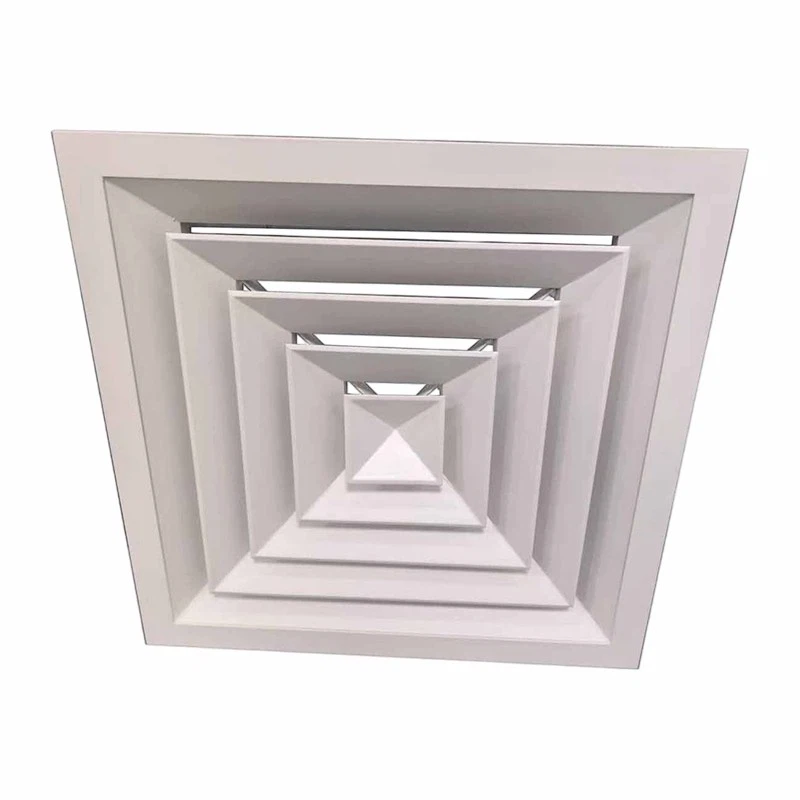
The HVAC Duct Diffuser sits flush with the ceiling. It takes the air coming from the duct and spreads it in multiple directions across the ceiling surface. Instead of blowing straight down, the air moves sideways along the ceiling-a phenomenon called the Coanda effect. The design uses specially shaped blades to push air outward in a radial pattern, preventing cold air from dropping directly onto people below.
Why People Like It for Comfort
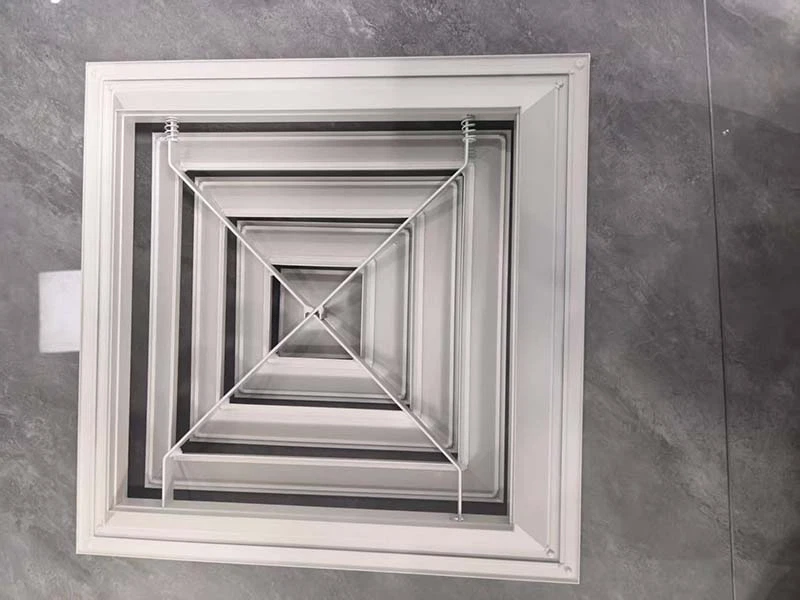
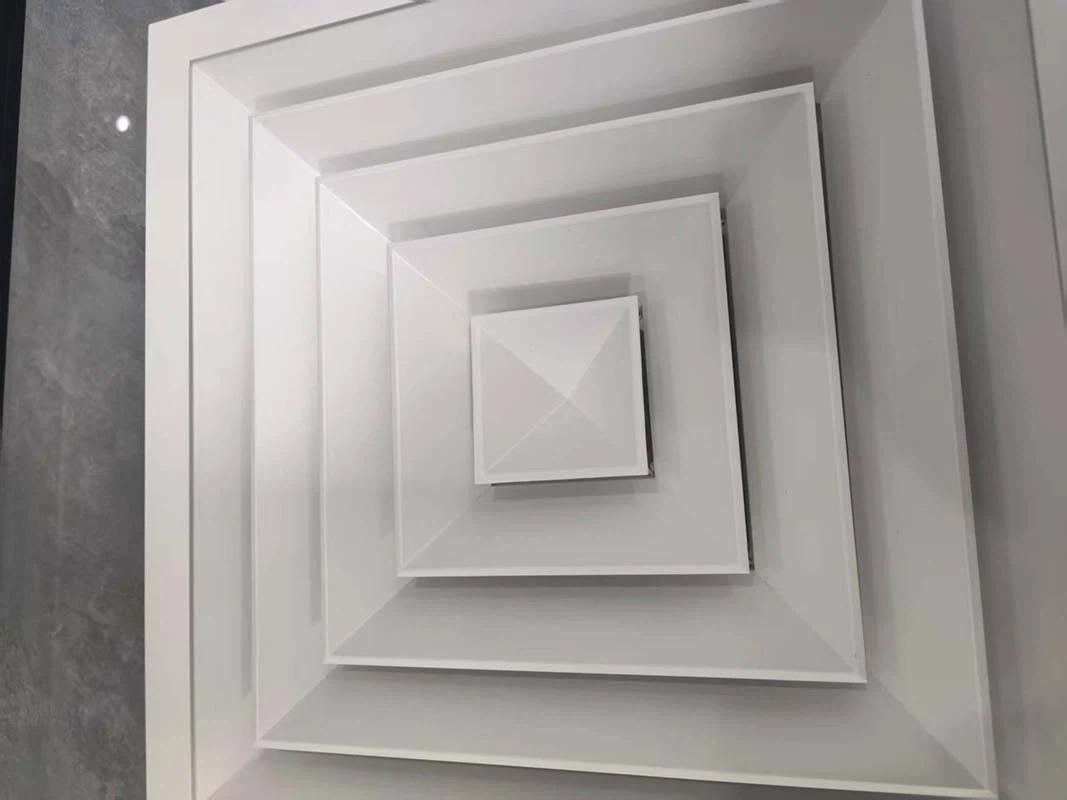
The HVAC duct diffuser is popular because it creates a very comfortable room environment. The air mixes thoroughly with the room air before reaching the occupied zone. Wind speeds at seated or working areas are very low, often less than 0.25 meters per second, so drafts are barely noticeable. Temperatures remain uniform throughout the room. The diffuser also has a clean, unobtrusive design, blending seamlessly into the ceiling and maintaining a neat, uncluttered look.
Where You Find It Installed
The HVAC duct diffuser is commonly used in modern offices, shops, and hotels. It performs well in lobbies, conference rooms, and restaurants. Spaces that require steady airflow, such as computer server rooms or museum display areas, also rely on it. For large areas like gyms or airport halls, larger models are used. Hospitals and quiet spaces, such as recording studios, often choose specially designed low-noise versions. It is a standard choice for any dropped ceiling today.
|
Parameter |
Specification |
|
Air Pattern |
Radial / Multi-directional (360°) |
|
Mounting Type |
Flush with ceiling grid or drywall |
|
Core Style |
Square or round concentric cones |
|
Blade Adjustment |
Fixed or adjustable patterns available |
|
Face Velocity |
Low (optimized for mixing) |
|
Room Velocity |
< 0.25 m/s in occupied zone |
|
Material |
Steel, aluminum, or ABS plastic |
Hot Tags: hvac duct diffuser, China hvac duct diffuser manufacturers, factory